
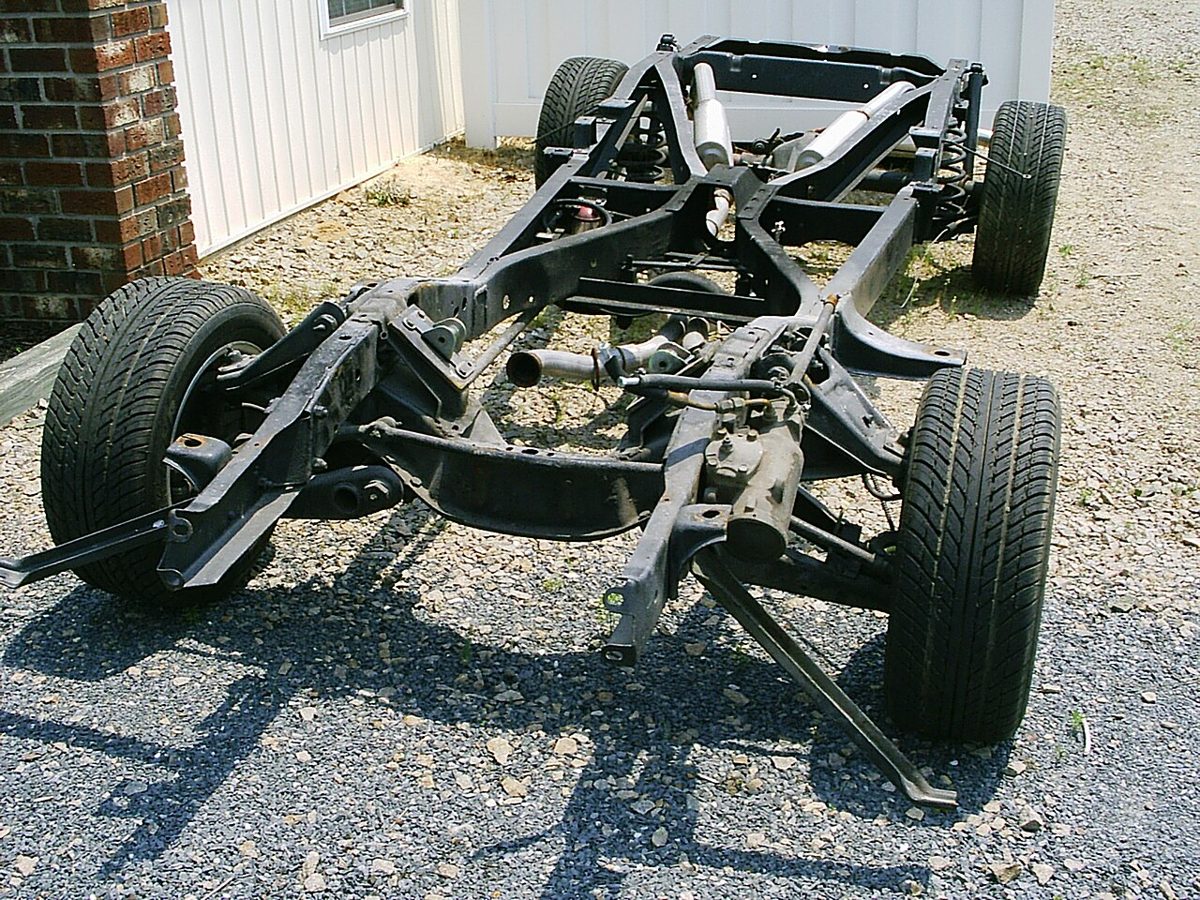
Suspension and steering problems
Photo source: Christopher Ziemnowicz · CC BY-SA 2.5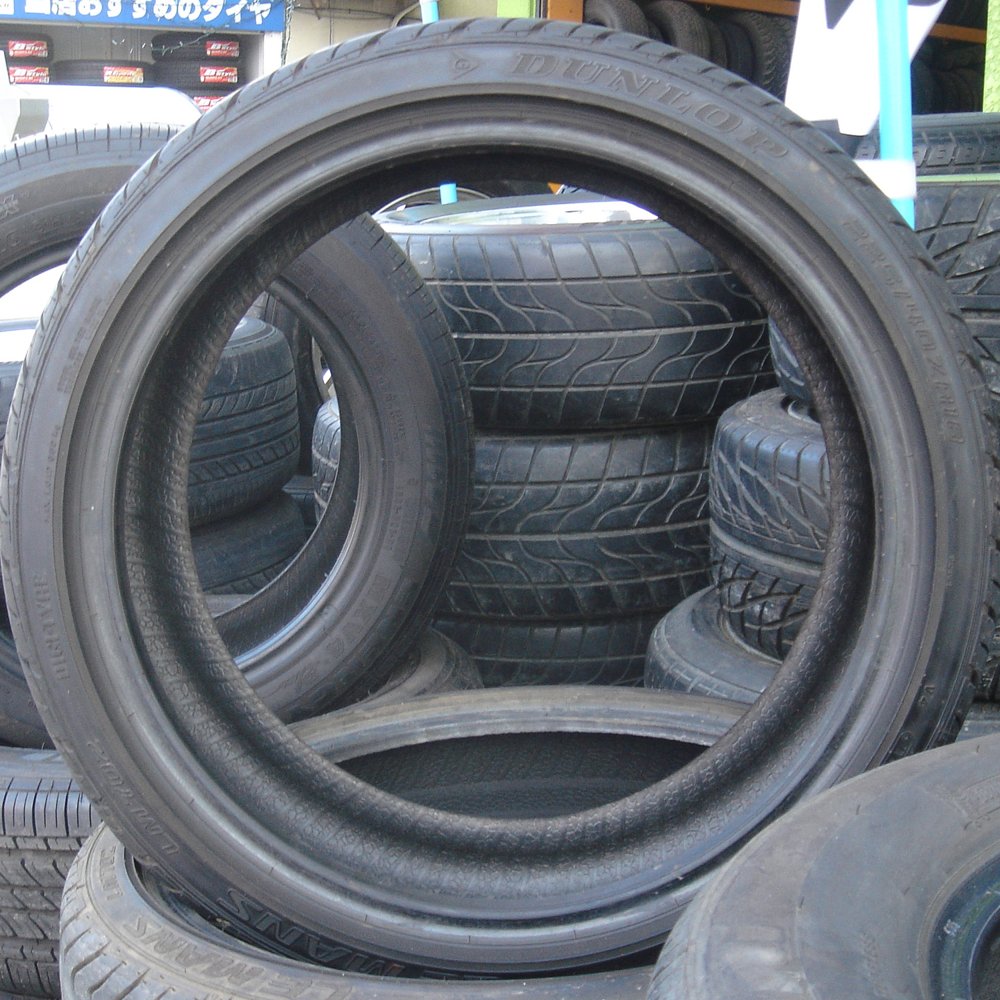
Tires
Photo source: Angie / SFC9394 · CC BY 2.0Real reference photos only — not confirmed faults, repair instructions or verified fitment for your vehicle.
Symptoms worth checking
Watch for the car pulling to one side, uneven or rapid tire wear, clunking or knocking over bumps, a steering wheel that feels loose or off-center, excessive bouncing after bumps, or the body leaning heavily in corners. Vibration at speed can come from wheel balance, but also from worn suspension joints.
A simple bounce test—push down firmly on each corner and release—should see the car settle within one or two movements. Continued bouncing suggests worn shock absorbers.
Why it matters
Worn shocks and bushings increase braking distance and reduce grip, especially on wet or uneven roads. Worn tie-rod ends, ball joints or steering components can make the car wander and, in severe cases, fail. These are not faults to postpone for months.
If steering suddenly becomes very heavy, very loose, or the car pulls sharply under braking, stop driving and arrange a tow. Loss of steering control is a genuine emergency.
Diagnosis and repair
A workshop will inspect shocks, springs, bushings, ball joints, tie rods and wheel bearings, often on a lift, and check wheel alignment. Uneven tire wear patterns help tell the story, so avoid replacing tires before the inspection if you can.
Ask for a written estimate that lists each component separately, and ask whether an alignment is included after steering or suspension work—it usually should be. Independent providers set their own prices; confirm costs before authorizing work.